Free 14-day trial, then just £6.99 per month or £65 per year.
Please enter a valid email address
By entering your email address you are indicating that you have read and agree to the terms of use and privacy policy.
Free 14-day trial, then just £6.99 per month or £65 per year.
Digging a way out of the 1930s Depression in the Cleveland Hills.
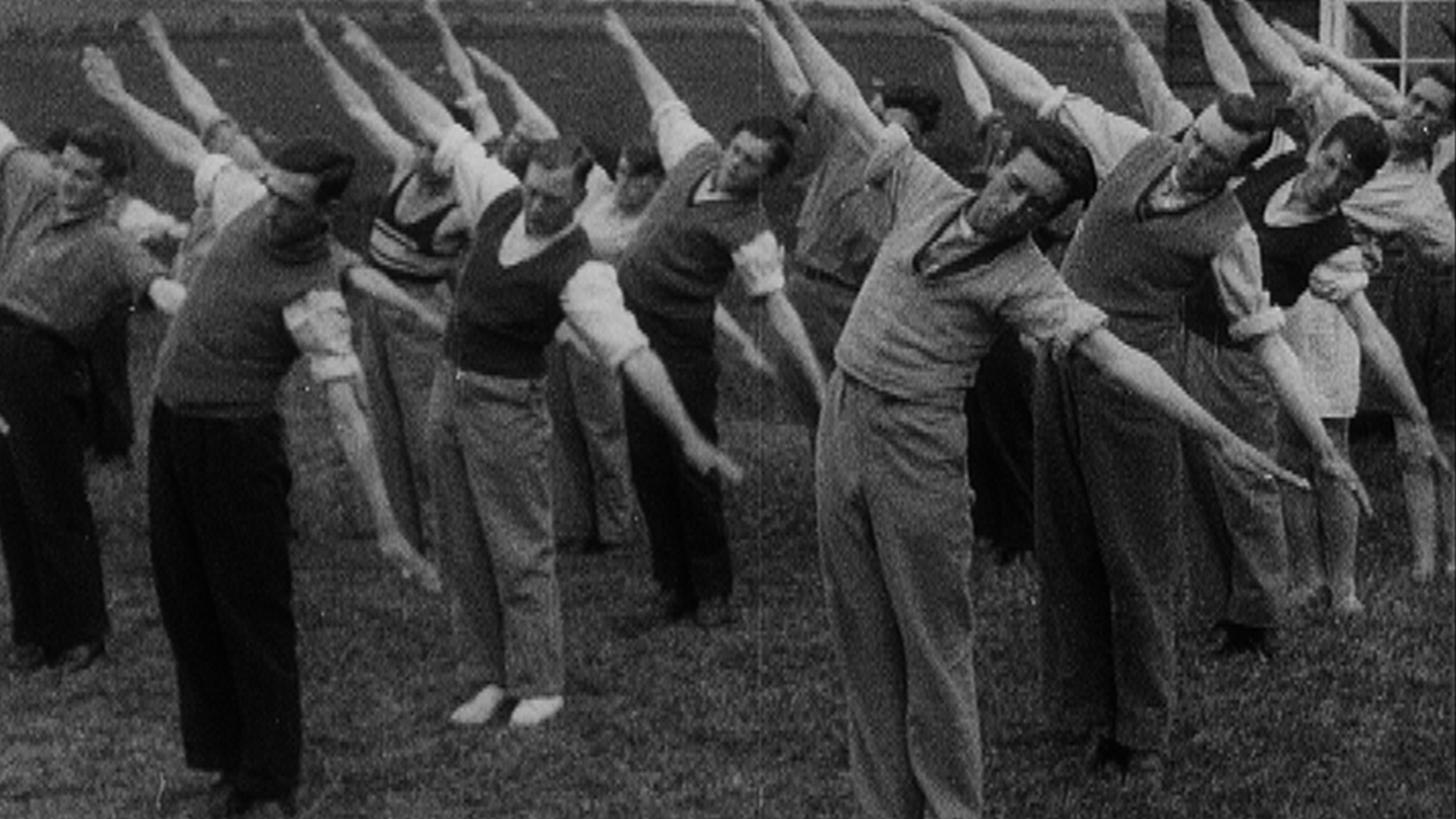
This is a fascinating and disturbing public appeal film on 1930s Depression era soup kitchens, communal work and youth camps in Middlesbrough and the Cleveland Hills, with regimes of unpaid labour and physical exercise (boxing, quoits and calisthenics). The ironstone miners work settlement on Heartbreak Hill near Boosbeck was set up by local Ormesby gentry, James and Ruth Pennyman, with assistance from folk revivalist and right-wing activist Rolf Gardiner.
Despite the mismatched film speed and sound, and the local blackface comedian, still a popular routine in the 1930s, this film has great contemporary resonance. In East Cleveland unemployment had hit a staggering 91 percent. The Cleveland Unemployed Miners Association scheme pictured was a politically ambiguous experiment, initiated by the militaristic Major James Pennyman and managed by Rolf Gardiner, who introduced international student groups to the camps. Their agenda was countered by the socialist, artistic ambitions of Ruth Pennyman. Left-wing composer Michael Tippett and Bauhaus-trained German artist and designer, Wilf Franks, were notable volunteers.