Free 14-day trial, then just £6.99 per month.
Please enter a valid email address
By entering your email address you are indicating that you have read and agree to the terms of use and privacy policy.
Free 14-day trial, then just £6.99 per month.
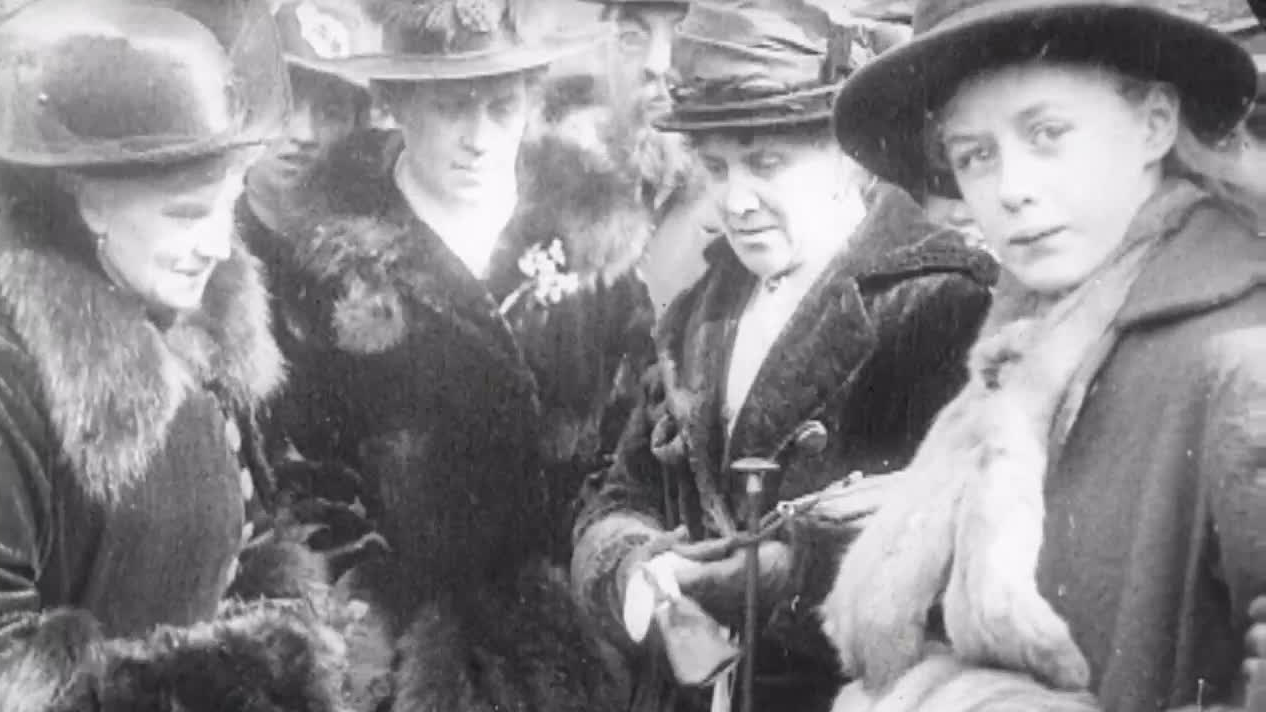
King George V hands out the traditional silver coins to the poor on Maundy Thursday.
The original Anglican Maundy ceremony celebrated Jesus washing the feet of the disciples at the Last Supper, and involved senior clerics washing the feet of junior churchmen. The practice of the monarch handing out money to the poor dates back to at least Edward II. The age of the monarch determined both the number of silver pennies distributed and the number of men and women receiving them. As a feelgood royal story and a predictable annual event, Maundy Thursday was perfect newsreel fodder.
In 1917, George V was 52 years old, meaning 52 men and 52 women each received 52 pennies in specially minted one-, two-, three- and four-penny silver coins at a ceremony at Westminster Abbey. Puzzlingly, the titles of this Topical Budget item talk of "Notes being substituted for gold [sic] for the first time", even though recipients are shown displaying their coins after the ceremony.