Free 14-day trial, then just £6.99 per month.
Please enter a valid email address
By entering your email address you are indicating that you have read and agree to the terms of use and privacy policy.
Free 14-day trial, then just £6.99 per month.
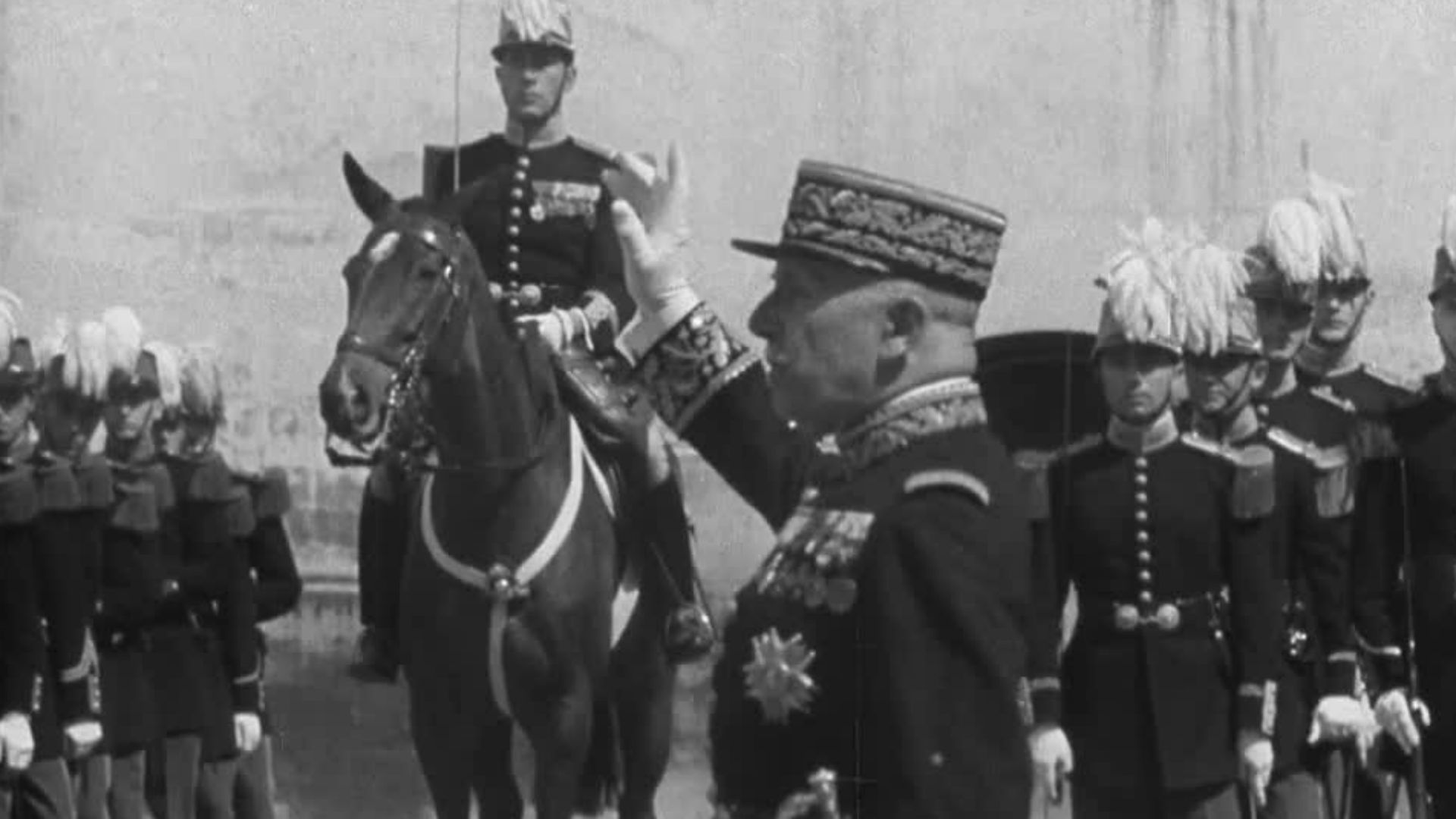
This issue scooped rival newsreels by venturing deep inside the Maginot Line’s labyrinthine tunnels, to reveal an underground city of French soldiers preparing for war.
‘The greatest line of frontier defences the world has ever known!’, thunders the commentary in this riveting, if spectacularly misjudged, assessment of the 125 mile long defensive wall along the French-German border. Bucolic scenes of farmers and vineyards give way to shots of the concrete gun turrets and pill boxes peeping above the long grass of the hilly border country: defences which would be utterly useless when faced with the Blitzkrieg tactics of the German army.
This issue is a rare example of the March of Time, so often accurate in its journalistic judgements, getting it wrong, both about the the Maginot Line itself and French army which it calls ‘the most formidable fighting machine in Europe today’.The fortifications were the idea of Marshall Petain and Andre Maginot, who was French Minister of War in the 1920s. Construction began in 1930 and billions of francs were invested in the impressive line of forts and artillery (protected by minefields and trenches) which was finally completed in 1940. But when war finally came, the lightning-fast tanks of the German army simply went around the line, leaving the soldiers based in the defences unable to react to the invasion.