Free 14-day trial, then just £6.99 per month or £65 per year.
Please enter a valid email address
By entering your email address you are indicating that you have read and agree to the terms of use and privacy policy.
Free 14-day trial, then just £6.99 per month or £65 per year.
Rich in natural resources but vulnerable to attack, the wealthiest colonies in the world prepare to resist the threat of a Japanese invasion.
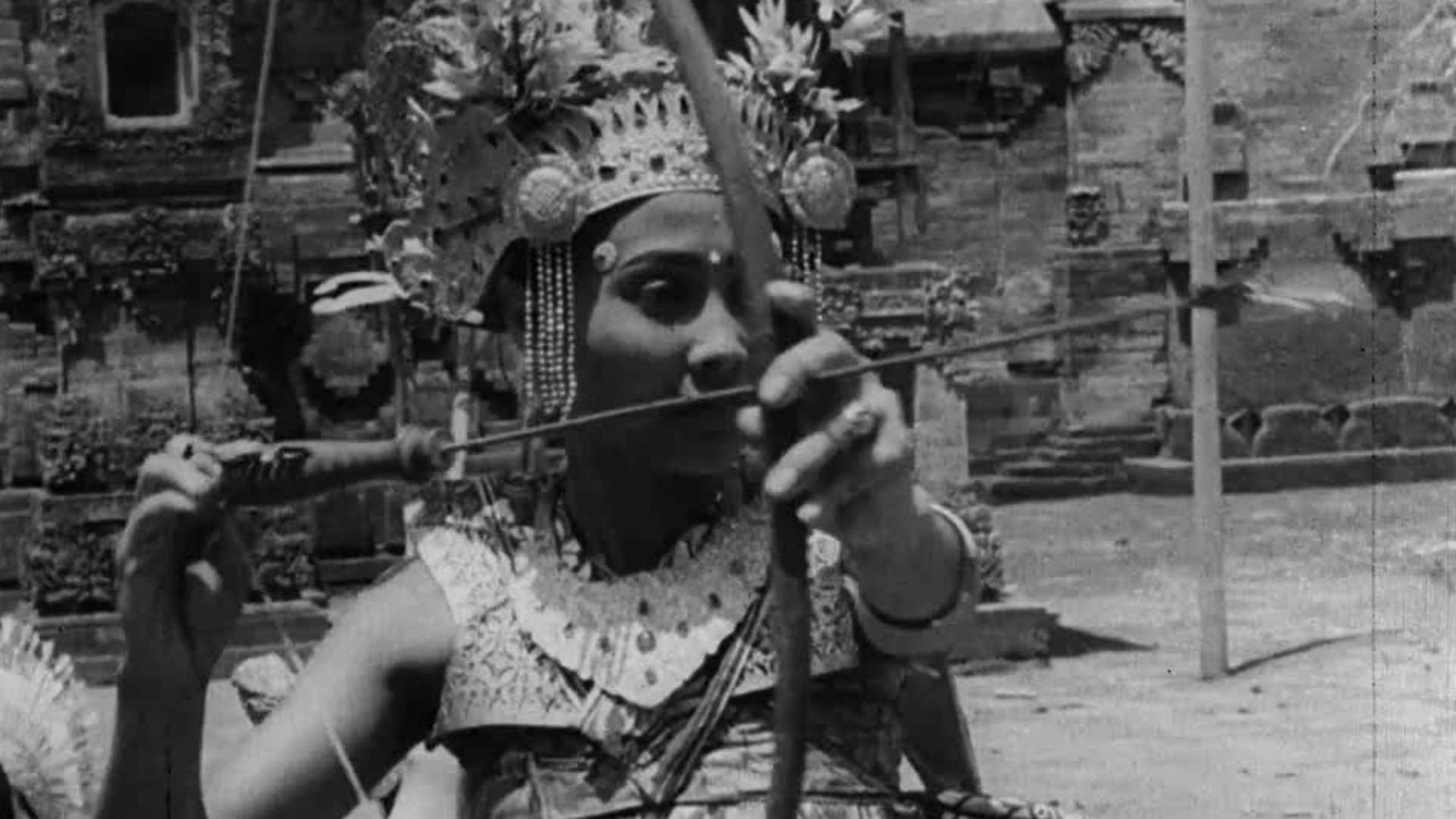
This hymn of praise to the riches of the Dutch East Indies - from Javanese batik to Sumatran tobacco, from tea plantations to tin mines - shows how attractive the colonies were to would-be invaders in 1940. Modern viewers may be struck by the contrast between the people seen doing the work - the native inhabitants - and the leisure enjoyed by the European colonials, who play cards, swim and tuck into traditional Dutch meals, enjoying a lifestyle made possible by the labour of others.
This issue is one of a series of March of Time films from 1940 and 1941 which analysed the military situation in the Pacific. Others included ‘Crisis in the Pacific’ (5th Year No. 10), ‘The Philippines’ (6th Year No.2) and ‘Australia at War’ (6th Year, No.14). The map showing the Dutch East Indies - Celebes, Java, Sumatra, Bali, Dutch New Guinea and Borneo - makes clear how the proximity of the islands to the Philippines meant that the Netherland’s colonies were extremely vulnerable but, for the time being, protected by the presence of the U.S. Navy.