Disabled Britain on Film
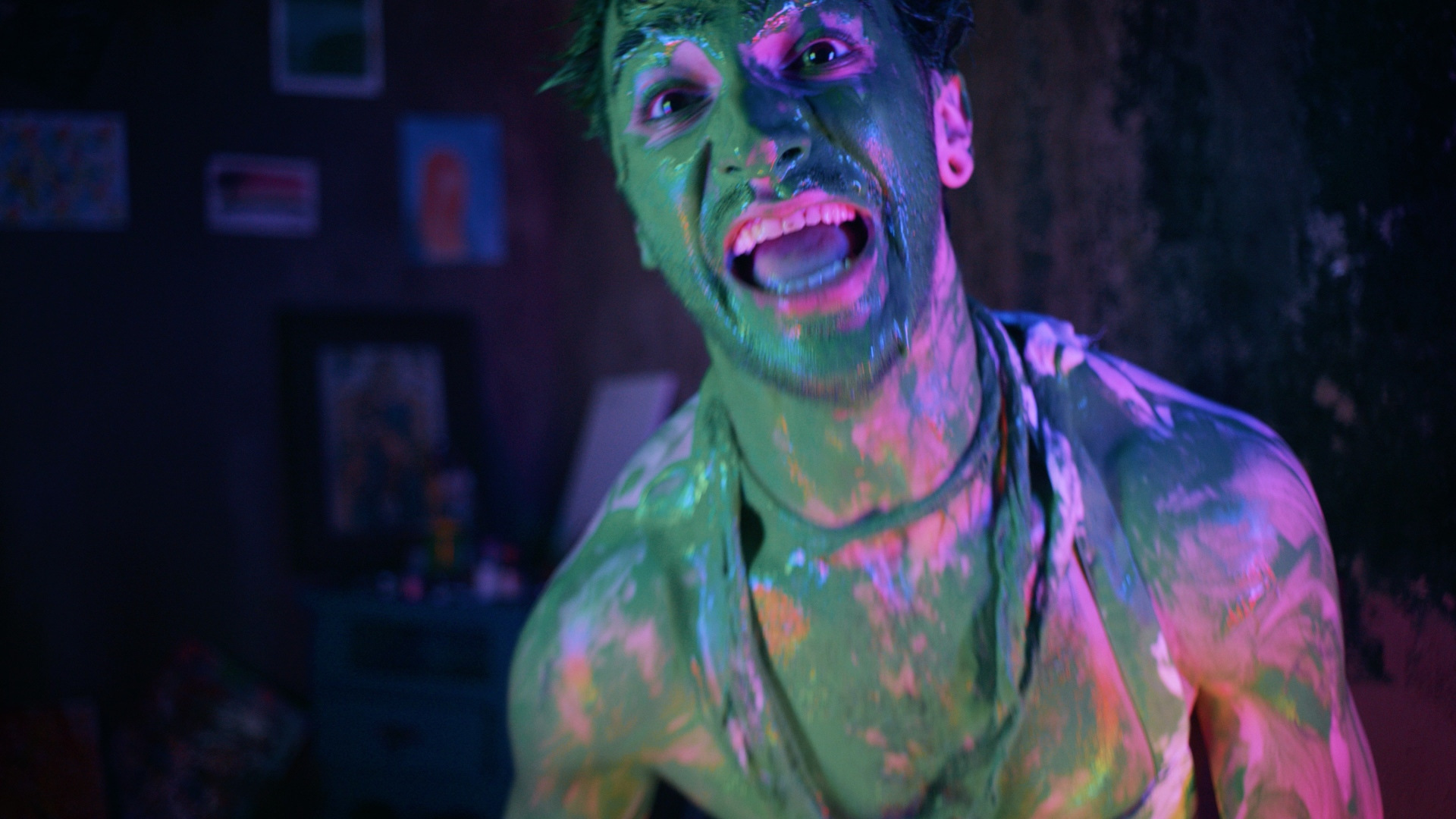
This diverse and fascinating collection looks at representations of disabled people on screen over the past ten decades. It offers a glimpse into the lives and experiences of people often hidden from screen history, and a chance to see how contemporary disabled artists and filmmakers are insisting that their own images and voices must be seen and heard.
The history of disabled people in Britain has, until quite recently, been one of social exclusion and segregation. In the early 20th Century, many were consigned to an institutional life of incarceration – becoming what one disabled academic dubbed 'the socially dead'. During the 1930s and early 40s, the rise of the global eugenics movement led to the mass murder of 1000s of disabled people in Nazi Germany and compulsory sterilisation in several European nations. After the war, the emerging charitable response to disability and the development of state-led care in the community in the 1980s eventually gave rise to the struggle for civil rights, led by disabled activists themselves. “Nothing about us, without us” became a rallying cry. Graham Findlay (disability equality consultant) Please note: some titles in this collection may contain language or other content that reflect views prevalent in their time but that may cause offence today. They are included here for historical reasons and are in no way endorsed by the BFI or its partners.