Free 14-day trial, then just £6.99 per month.
Please enter a valid email address
By entering your email address you are indicating that you have read and agree to the terms of use and privacy policy.
Free 14-day trial, then just £6.99 per month.
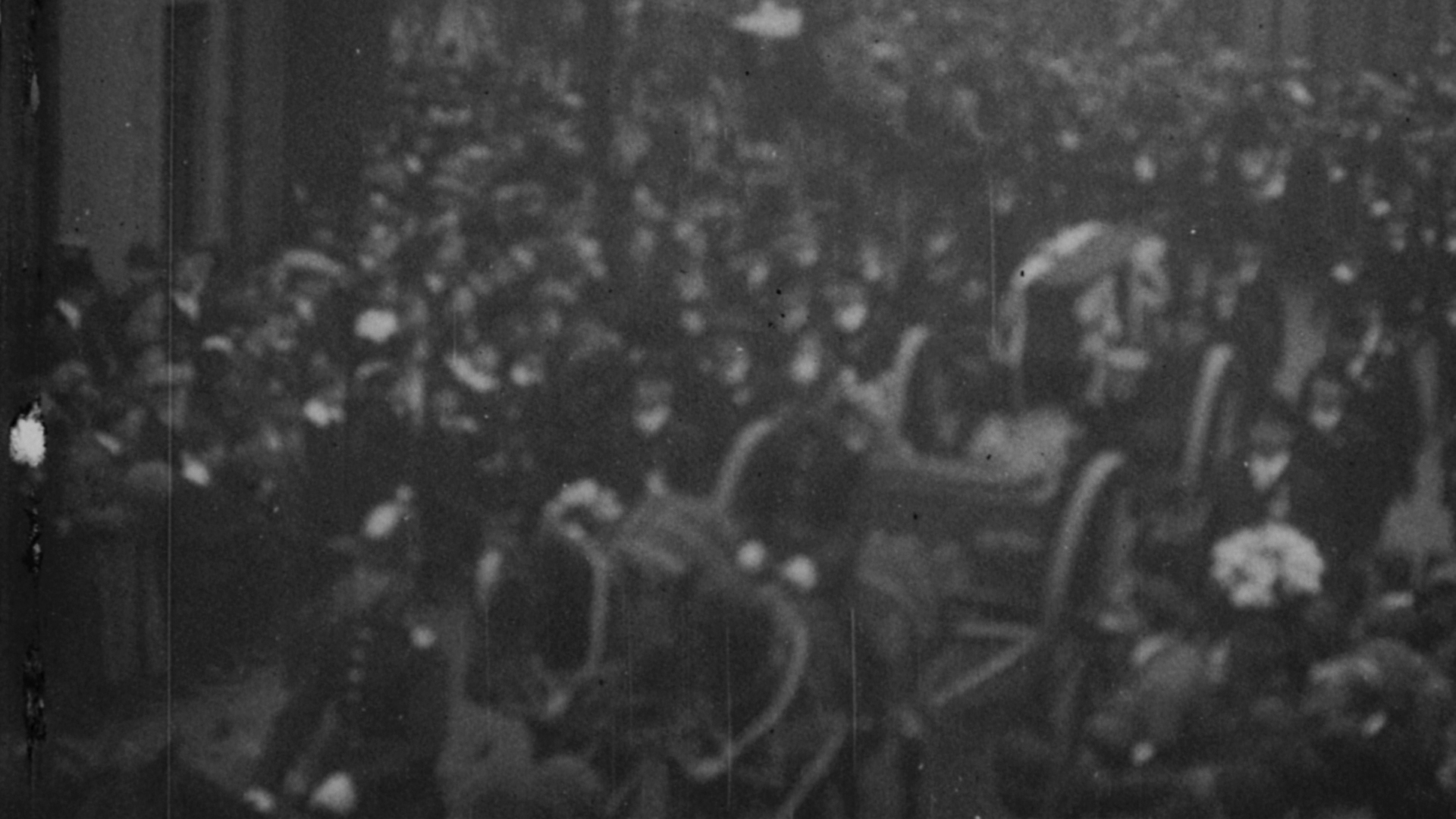
A bereaved community starts to bury its dead after the worst mine disaster in Britain – an explosion at Universal Colliery, Senghenydd, on 14/10/1913, killing 439 men/boys.
Senghenydd buries some of the 439 men and boys who died in the explosion at the Universal Colliery on 14/10/1913. Over 200 women had been widowed (one also having lost her 4 sons and 3 brothers) and 542 children had been deprived of a father. The first funerals were held three days after the explosion but it was mid-November before all the bodies were recovered. Some of the miners would have served in the army and so would have been entitled to a military funeral.
The explosion could have been avoided if an Act of Parliament introduced after a similar explosion at Universal in 1901, killing 81, had been complied with. Precautions should have been taken against the sparking of electrical equipment, dusty areas should have been regularly doused with water and reversible fans should have been installed to provide a supply of clean air in an emergency. As these safety measures had not been introduced, when a spark from an electric bell ignited 'firedamp' (methane gas and coal dust), a fireball sped through the pit, igniting futher dust as it went. For his fatal non-compliance, the mine manager was fined just £24, the owners £10. NB: Nitrate original mainly out of focus.