Free 14-day trial, then just £6.99 per month.
Please enter a valid email address
By entering your email address you are indicating that you have read and agree to the terms of use and privacy policy.
Free 14-day trial, then just £6.99 per month.
Upland peat bog at Cwmystwyth is ‘improved’ and becomes productive pasture for sheep and grows a crop of Forestry Commission conifers.
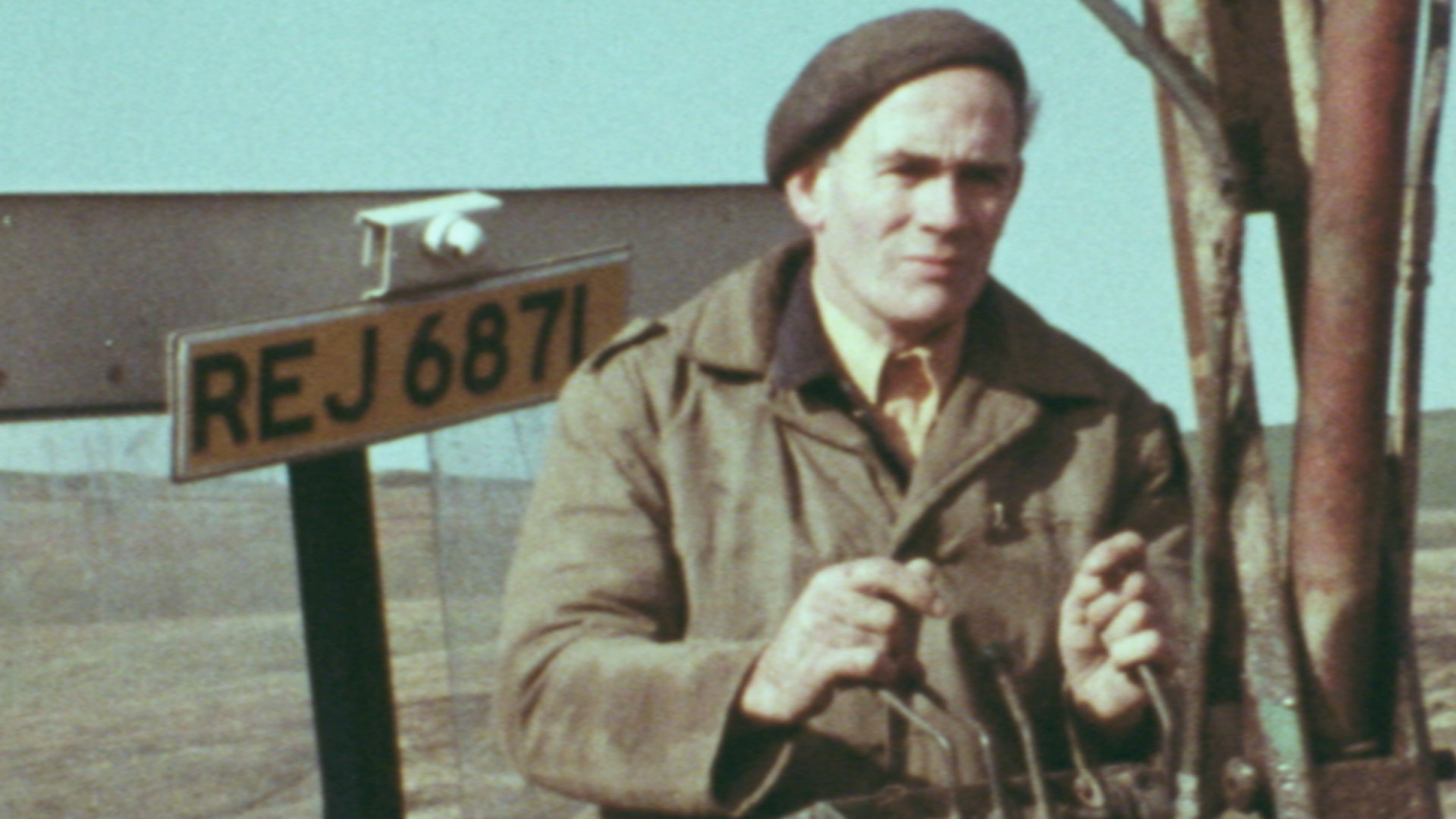
In post-WWII Britain, the race was on to ‘improve’ upland bogs, creating productive pasture from what was seen as waste ground or, in co-operation with the Forestry Commission, conifer plantations. Pwllpeiran, a government-sponsored experimental farm at Cwmystwyth, Aberystwyth, was at the cutting edge of these types of ‘improvements’ – in conjunction with the nearby Welsh Plant Breeding Station - and was the subject of this programme in ATV’s ‘Farming Today’ series.
Since the 1970s, when this film was made, the regard in which bogs are held has changed to some degree. Peat is a natural ‘sponge’ and peat bogs, like flood plains, are able to absorb excess rainfall. Severe flooding in Britain has proved how important it is to keep such ‘sponges’ intact. The planting of trees, too, can greatly help with water absorption and the prevention of landslides. The massive Forestry Commission conifer plantations are a crop, grown for felling, and, like any other mono-culture, tend not to support such a healthy ecosystem as, in this case, a mixed, deciduous woodland would support.