Free 14-day trial, then just £6.99 per month or £65 per year.
Please enter a valid email address
By entering your email address you are indicating that you have read and agree to the terms of use and privacy policy.
Free 14-day trial, then just £6.99 per month or £65 per year.
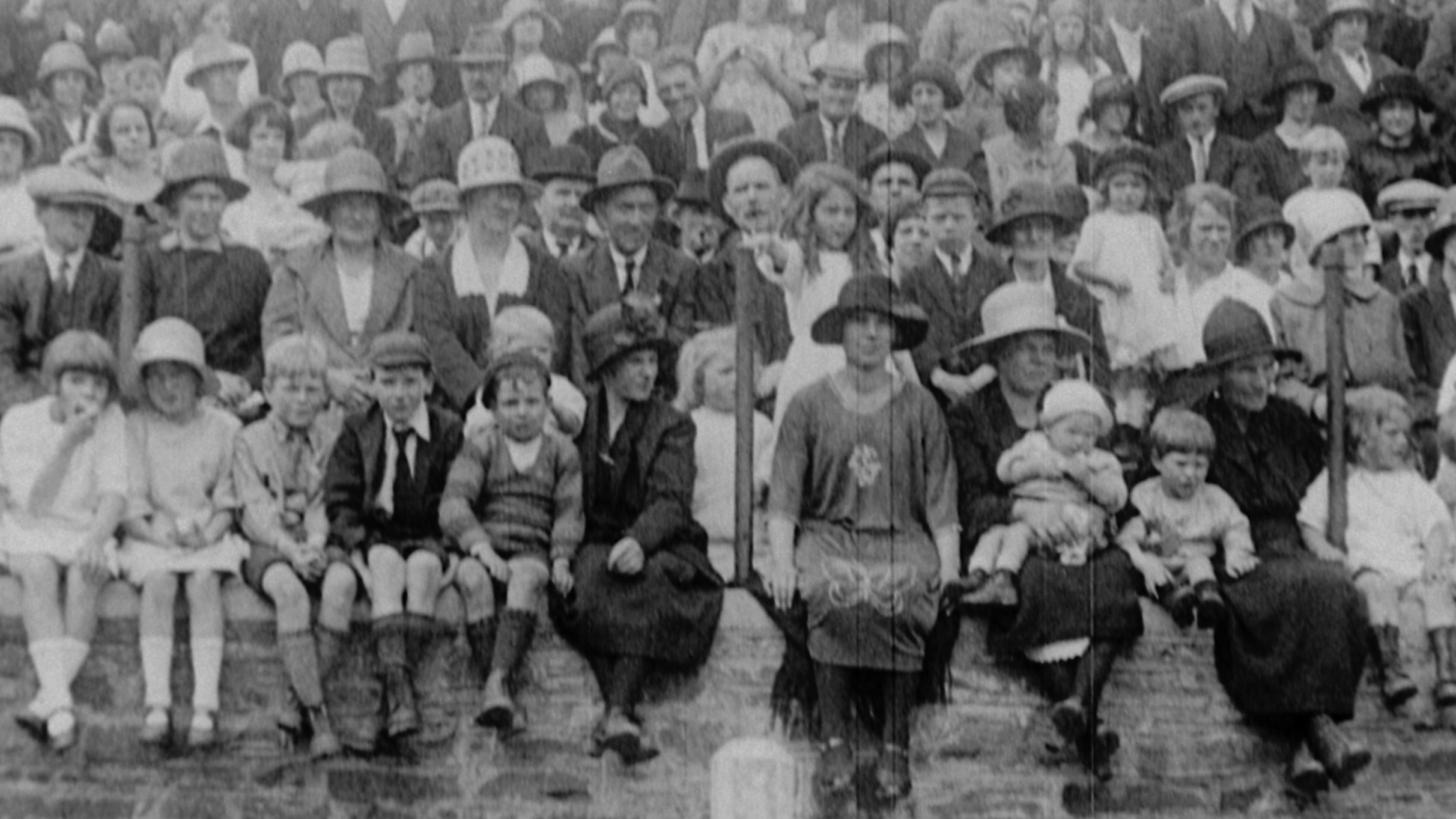
The General Strike of 1926 began and ended in May but the miners stayed out until November. A small boy riding a tricycle demonstrates support: a sign on his trike reads ‘on strike’.
Blacked up ‘Red Indians’ and ‘Africans’, together with a ‘Nijinsky’ and various jazz/kazoo bands combine in an effort to raise much needed money for the miners. Even a small boy on a tricycle does his bit, the trike bearing the sign ‘on strike’. The General Strike of 1926, called in support of the miners whose wages and conditions were being eroded, lasted for 9 days in May. The miners remained on strike, alone, until their return to work, defeated, in November.
Given that a general strike in support of the miners nearly came to pass in 1925, the Conservative government had made detailed preparations in the likely event of such an event. Conversely, the trade union leadership had made few plans at all, being unwilling to engage in action which might rock the political boat. Although supported by thousands of workers, it was all over very quickly, the Trade Union Congress accepting terms on behalf of the miners that included wage cuts. The miners refused to accept the terms and held out until November. The Trade Disputes Act of 1927 dealt the unions another blow (e.g. no mass picketing).